
Bio-DX Technology
What is Bio-DX?
Bio-DX (Biological Digital Transformation) is a pioneering framework that merges high-throughput biotechnology with advanced computational science. By digitizing biological complexity, PtBio accelerates industrial innovation and unlocks the full potential of biological resources across diverse sectors.
The Strategic Value of PtBio’s Bio-DX
Our Bio-DX platform transforms raw biological data into strategic assets. By leveraging high-resolution genome sequencing and sophisticated bioinformatics, we empower partners to make data-driven decisions with unprecedented speed and accuracy.
■ Cost Efficiency & Rapid Prototyping
Streamlines experimental design to eliminate redundant trials and significantly reduce R&D costs.
■ New Market Development
Unlocks the value of unexplored biological resources, creating opportunities for innovative products and sustainable bio-based materials.
■ Rapid Translation
Our alliance with Hiroshima University ensures that the latest scientific breakthroughs are efficiently translated into practical, market-ready applications.
Why PtBio Leads in Bio-DX
1. Integrated Data Infrastructure through Academic Excellence
In collaboration with the Bio-DX Lab at Hiroshima University (Professor Hidemasa Bono), we have established a seamless pipeline connecting academic research with industrial development. This synergy allows us to utilize the latest algorithms for complex multi-omics analysis, bridging the gap from basic discovery to commercial product.
2. High-Precision Sequencing & Advanced Analytics
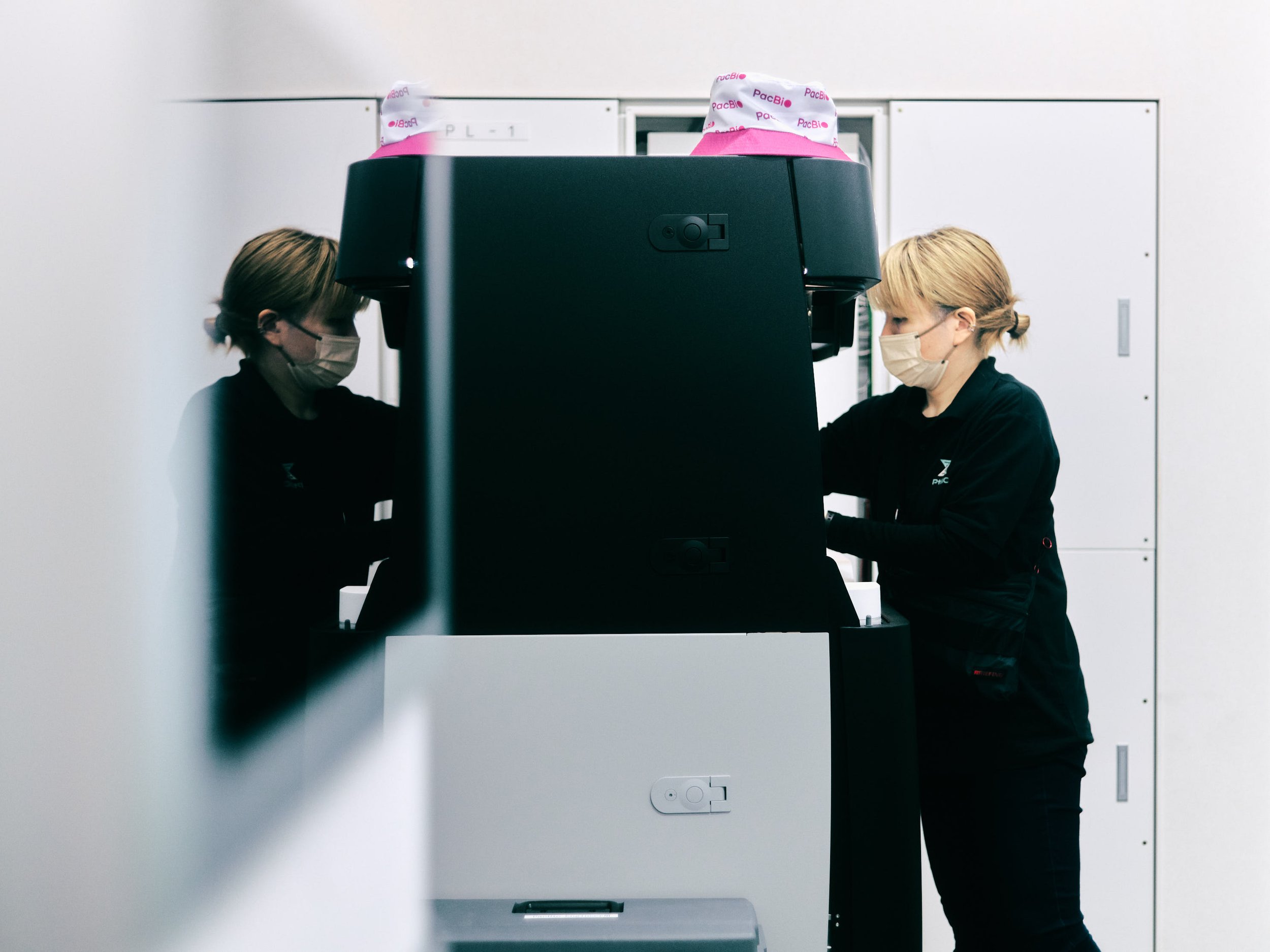
We utilize industry-leading platforms, including PacBio Sequel IIe for long-read sequencing and Illumina NextSeq 2000 for short-read precision. Combined with technologies like Hi-C (chromatin conformation) and MAG (Metagenome-Assembled Genome), we provide high-resolution insights into environmental microbiomes and industrially useful organisms that traditional methods often overlook.
3. Innovative Approaches to Diverse Industries
Our focus extends beyond model organisms to specialized, industrially relevant species. This unique approach is driving breakthroughs in food technology, sustainable agriculture, carbon recycling, and resource management, creating a roadmap for a circular bio-economy.